
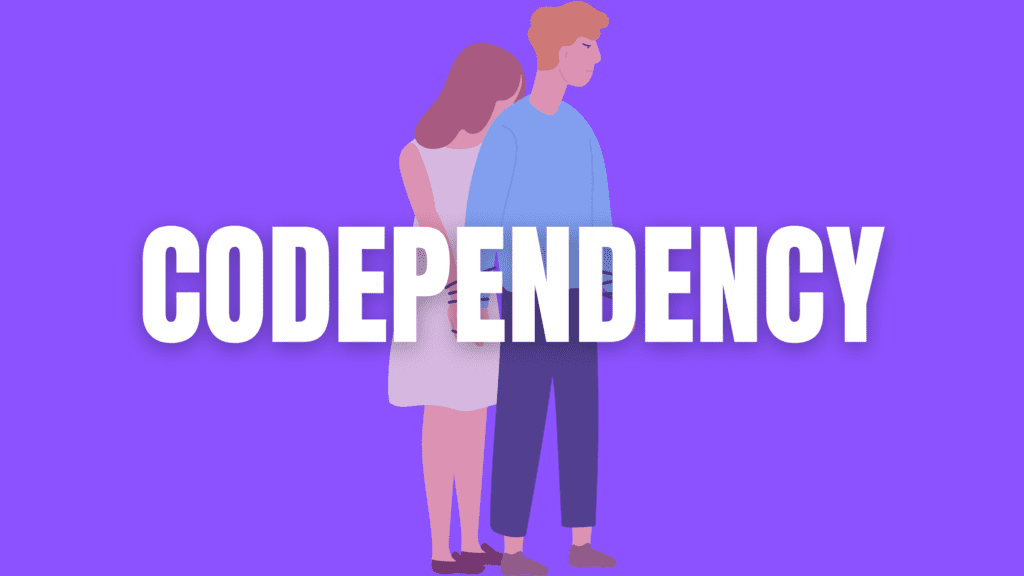
Hey, friend. 🌟 Let’s have an open and heartfelt conversation about something that many people face but don’t always talk about, codependency. It’s one of those terms that can sound a bit clinical, but when it comes to relationships, it’s very real and deeply personal. If you’ve ever found yourself feeling like you can’t function without someone else, or if you’re constantly putting their needs before your own, then this blog is for you. I get it, because being in touch with our emotions, needs, and relationships is something that requires real honesty, and I want to take this journey with you.
I’ll be sharing some of my own thoughts here too, just to keep things relatable. As someone who’s an old school lover and truly believes in the power of genuine feelings and mutual respect, I know how tricky navigating relationships can be. For me, being in a meaningful connection with someone, whether emotionally or physically, means feeling deeply, and that’s what I want to explore with you today.
What is Codependency?
Codependency is when one person in a relationship (or sometimes both people) becomes so reliant on the other that it creates an imbalance. It’s not just about loving someone, it’s about needing them to the point where your own happiness, well-being, and sense of self become tied up in the other person. You might feel like you’re giving and giving to the other person but not getting the same in return. And sometimes, it’s like you’ve forgotten how to stand on your own two feet because you’ve placed your identity in someone else’s.

Does that sound familiar? It’s okay. This isn’t about judgment. It’s about understanding. Whether it’s romantic, family, or even friendships, codependency can sneak in when we’re not paying attention.
Why Does Codependency Happen?
There’s no one-size-fits-all answer, but codependency can arise from a few different things. Often, it’s linked to childhood experiences, maybe you grew up in a household where love was conditional or you had to take on a caregiving role at an early age. It could also stem from past relationships where you learned to prioritize someone else’s needs over your own. I know for me, there’s a deep value in real, respectful relationships where love isn’t conditional. If there are feelings and respect, everything else falls into place.
But in a codependent relationship, that balance can get all out of whack, and it can leave both people feeling empty. Both parties might have their own unmet needs, but they keep pouring into each other without filling themselves up first.
How Do You Know If You’re Codependent?
The signs can sometimes be subtle, and it can take time to notice them. Here are a few common indicators that you might be in a codependent situation:
- You lose yourself in the relationship: You might find yourself forgetting about your own interests, dreams, or needs because you’re so focused on the other person. It’s like you’re so caught up in their world that you forget about your own.
- You feel responsible for their happiness: You may believe that it’s your job to “fix” the other person or make them happy, even at the expense of your own well-being. But here’s the thing, happiness comes from within, not from anyone else.

- You tolerate unhealthy behavior: In a codependent dynamic, you may find yourself excusing or accepting behaviors that you wouldn’t normally tolerate. This can lead to emotional or physical harm to yourself or the other person. No one should ever feel they have to tolerate disrespect in any form.
- You have a hard time setting boundaries: Codependency often means not knowing how to say “no” or take care of yourself. Healthy boundaries are key to any relationship, and if you’re struggling to establish them, it might be a sign that codependency is at play.
How to Break Free from Codependency
I know this might sound easier said than done, but the first step in breaking free from codependency is self-awareness. Just acknowledging that something’s off is huge. Once you’ve recognized it, there are things you can do to begin healing:
- Learn to love yourself first. This is something I personally value deeply, self-respect and self-love come before anything else. If you don’t respect and love yourself, it’s really hard to maintain healthy relationships with others. Take time to nurture yourself, focus on your passions, and practice self-care.
- Set boundaries. It’s okay to say “no.” Boundaries are essential for healthy relationships. They help you protect your emotional space and teach others how to respect you. And you deserve respect.
- Seek support. It’s not a sign of weakness to ask for help. In fact, it’s a brave step toward healing. Whether it’s through therapy, talking to friends, or joining a support group, reaching out for help can make all the difference.
- Communicate honestly. Healthy relationships are built on honest communication. Don’t be afraid to speak up about how you feel, what you need, and what’s not working for you. You deserve to be heard.
- Be patient with yourself. Breaking free from codependency is a journey, and it doesn’t happen overnight. Be kind to yourself through the process. There’s no rush.
The Importance of Mutual Respect and Genuine Connection
Now, let me share something personal. I believe that for any meaningful connection, respect, feelings, and mutual care should always come first. If you’re in a relationship where those things are missing, you’re setting yourself up for disappointment.
For me, being in an intimate relationship with someone is only meaningful when there are real feelings involved. I can’t imagine being with someone, physically or emotionally, unless there’s genuine connection and respect. That’s what keeps relationships grounded, healthy, and full of joy.
Conclusion: You Deserve Healthy, Fulfilling Relationships
I want you to know that if you’ve been struggling with codependency, you’re not alone. Many of us have been there. You deserve relationships where you are seen, heard, and valued for who you truly are, not just for what you can do for someone else.
Take a step toward healing, and remember that loving yourself is not selfish; it’s essential. You’re worthy of all the love, respect, and joy that life has to offer, don’t let anything or anyone make you forget that.
Thanks for joining me in this conversation today. You are amazing, and you’ve got this. 🌈
And hey, if you ever need a reminder of how strong you are, just come back and read this blog again. I’ve got your back. 💖